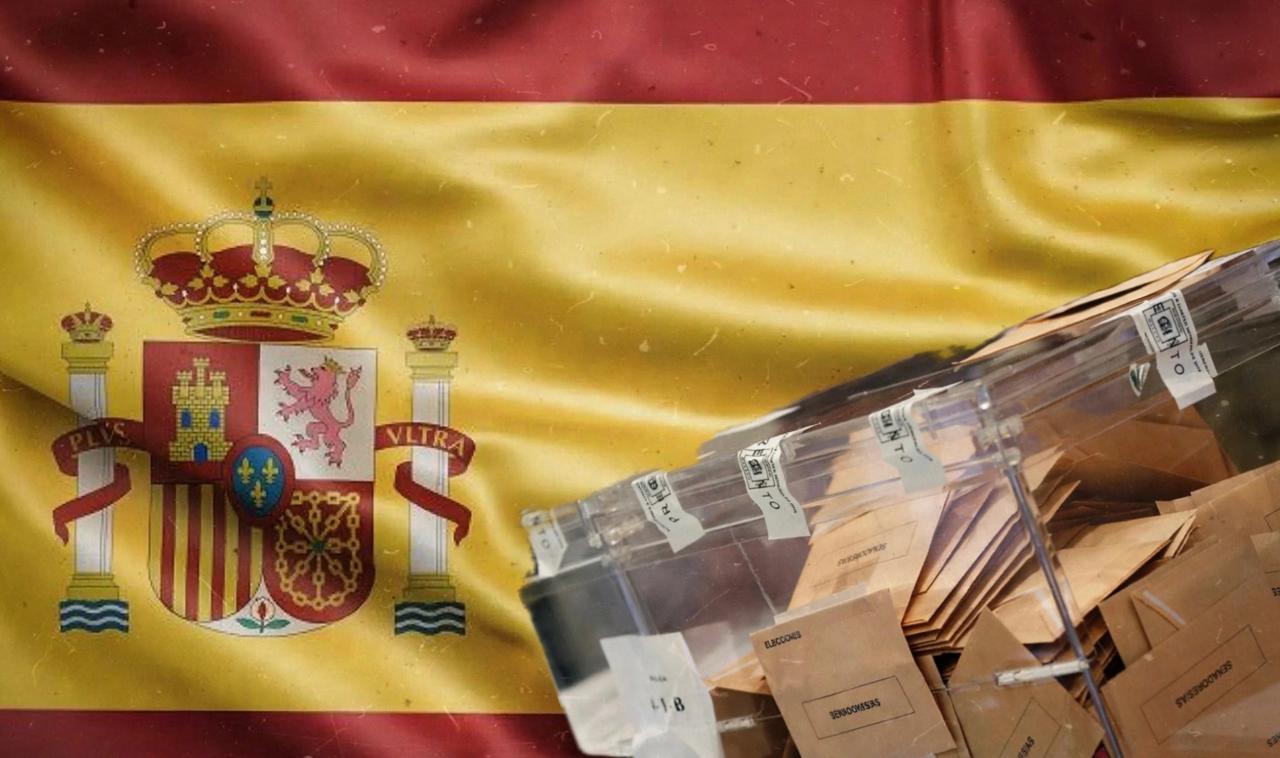
On November 29, Spaniards are called to the polls for early elections. Initially scheduled for 2027, the vote has been brought forward following the failure to approve housing decrees and a social crisis that has erupted in recent weeks, amid years of intense political tension in the country.
Most polls favor the People's Party (PP), which won the previous elections but failed to form a government. This time, it appears poised to succeed by securing a majority with VOX, the far-right party that previously blocked a majority due to other parties' refusal to ally with it. On November 29, Spaniards are called to the polls for early elections. Initially scheduled for 2027, the vote has been brought forward following the failure to approve housing decrees and a social crisis that has erupted in recent weeks, amid years of intense political tension in the country.
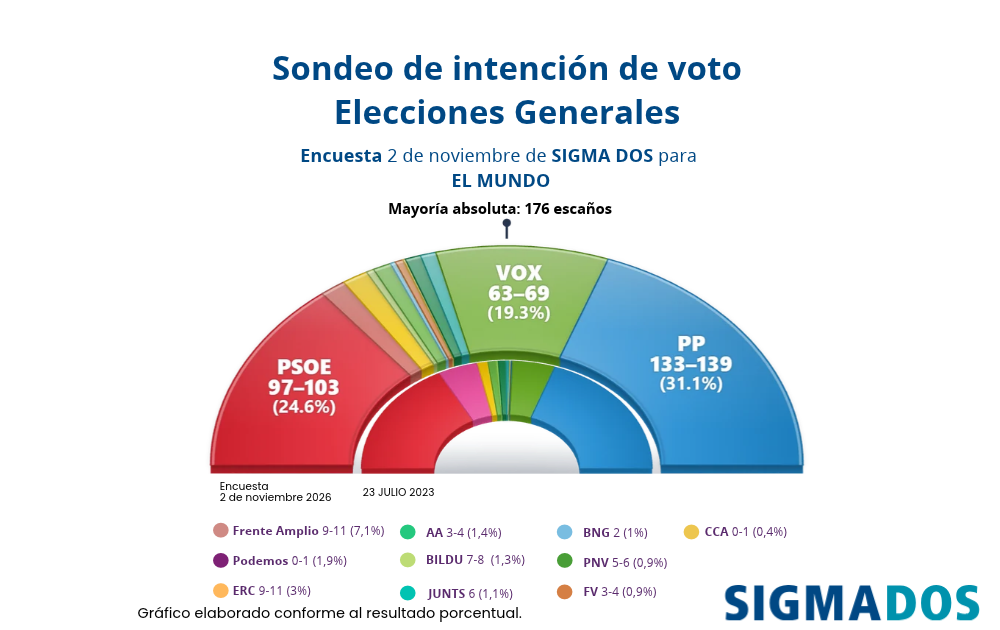
However, the Spanish Socialist Workers' Party (PSOE) remains optimistic, aiming to unify the entire left-wing vote, including the radical left, which has formed a coalition called Broad Front, and Podemos, which has allied with the Catalan Republican Left. The party also leans on the CIS, a poll that predicts their victory next month.
The country is deeply polarized and divided. On one hand, the PSOE, in power since 2018 after a motion of no confidence against Mariano Rajoy, is plagued by corruption cases that are eroding its support. Its strengths lie in the economy (Spain is the fastest-growing country in the Eurozone) and foreign policy, particularly its management of relations with Trump and the Israel-Palestine conflict, which have been popular with the Spanish public. However, recent events in Ceuta and the government's handling of the crisis have further worn down its popularity, undermining one of its key pillars.
On the other hand, the People's Party argues that it is the only force capable of ousting Sánchez from the Moncloa Palace. It promises democratic regeneration, a reduction in the deficit and public debt, tax cuts, and a defense of national unity. Its weaknesses include its pact with VOX, which limits its ability to gain support from other parties and could mobilize the left-wing bloc out of fear of far-right rule; and statements by its leaders questioning the viability of the pension system, which have sparked outrage among retirees (the largest demographic group).
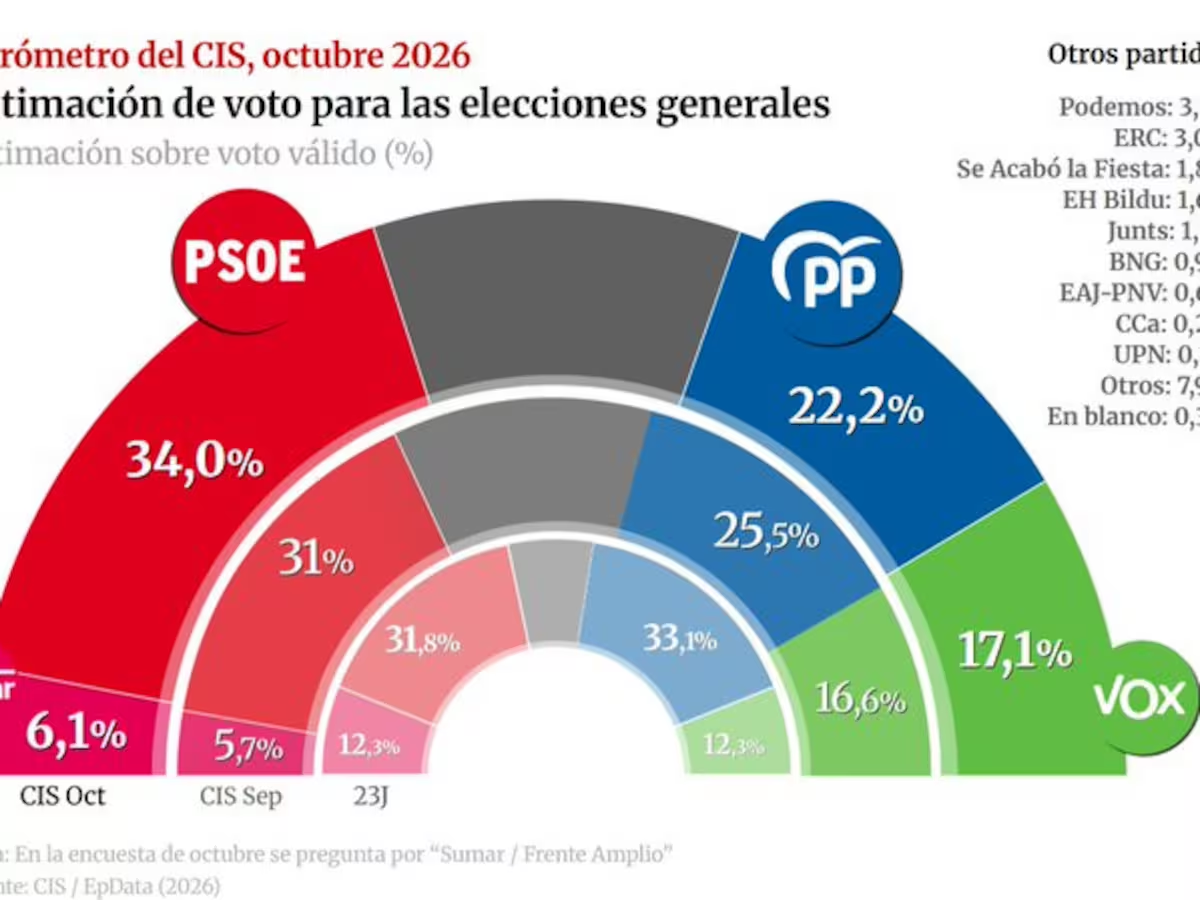
November 29 will reveal the answer: Will Spain continue to back the left? Will it shift right and, for the first time since the return of democracy, include the far right in government? Will the left have to return to pacts with the radical left and nationalists? Will new parties enter Congress? Will any current parties lose representation? Will there be a surprise, with a European-style grand coalition? Or will no one agree, forcing another election?
On November 29, Spaniards will choose the country's direction for the next four years (though, given the current level of tension and radicalism, it may be for less). VOTE, it matters. You don't know the luck you have in being able to do so.