Maricarmen Abascal, the 87-year-old woman whose eviction became a defining symbol of Spain's housing crisis, died this Wednesday in Madrid after remaining hospitalized ever since she was forced out of her home on September 23.
Abascal had lived for more than seven decades in an apartment in Madrid's Retiro district. Her eviction, carried out after several previous attempts, triggered intense public outrage and fueled demonstrations across Spanish cities demanding urgent measures against skyrocketing rents, evictions, and soaring barriers to housing access.
An Eviction That Ignited Nationwide Protests
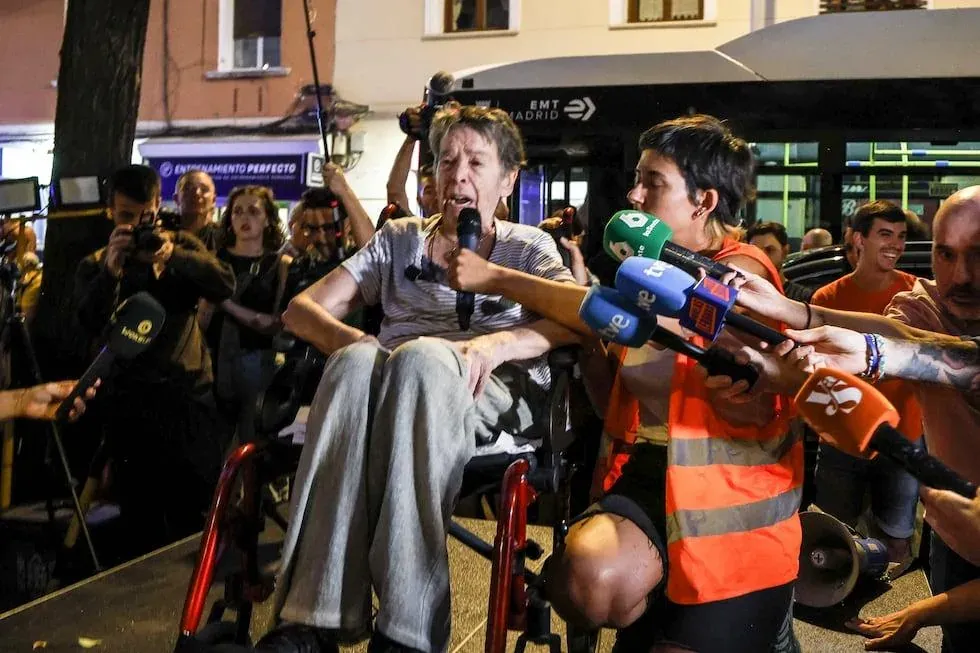
On September 23, Maricarmen was removed from her home on a stretcher and taken to the Gregorio Marañón Hospital. Images of her departure, surrounded by crowds of protesters attempting to block the eviction, went viral and turned her into a poignant symbol of the fight for the right to housing.
She held an old-style rent-controlled lease. After the building was acquired by a real estate firm, the company moved to terminate her contract and demanded a steep rent increase that Maricarmen could not afford. Despite multiple negotiation efforts and community interventions to stop the eviction, the order was ultimately executed on the fourth attempt.
https://www.instagram.com/reel/DeNG-N_sN4w/?utm_source=ig_web_copy_link&stkn=MzRlODBiNWFlZA==
Her plight drew severe criticism from human rights groups. Amnesty International condemned the eviction as a breach of the rights of a vulnerable person, pointing out that it went ahead despite precautionary measures requested through the United Nations.
From a Single Case to a Mass Movement
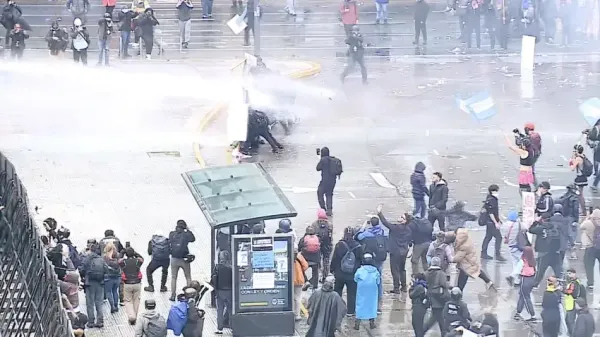
Following the eviction, thousands took to the streets across Madrid and other major Spanish cities demanding real solutions to the housing crisis. In the capital, demonstrations evolved into an ongoing encampment at Puerta del Sol, where protesters staged sit-ins for days, calling for affordable housing and an immediate end to evictions.
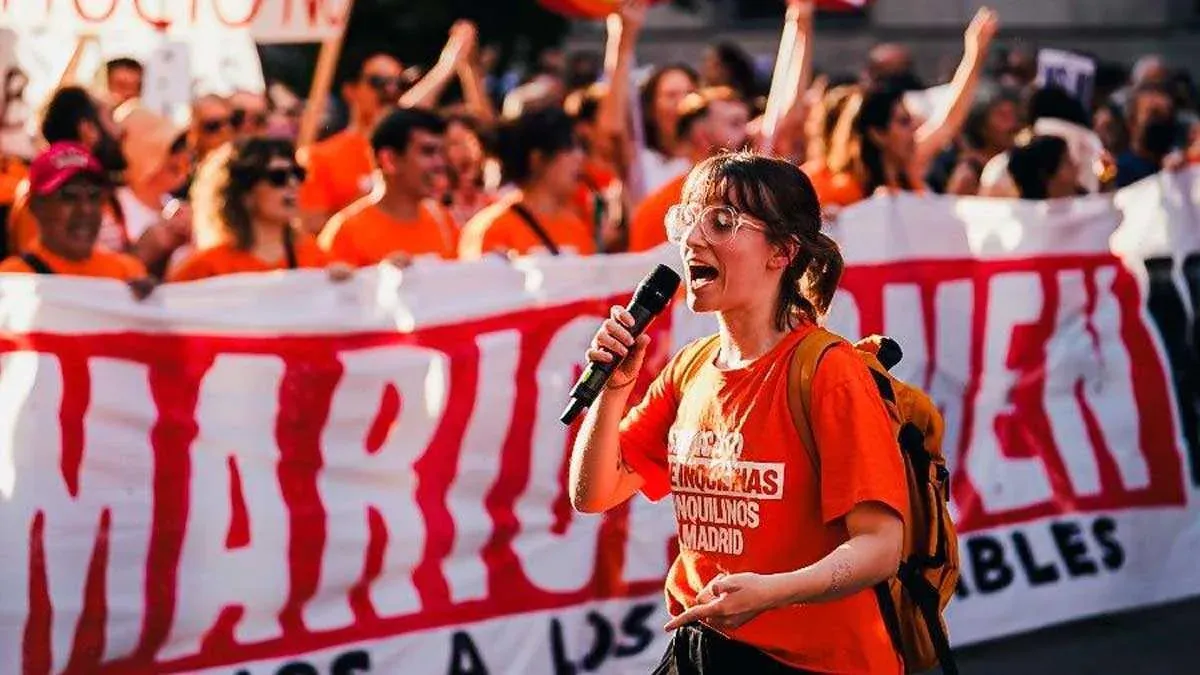
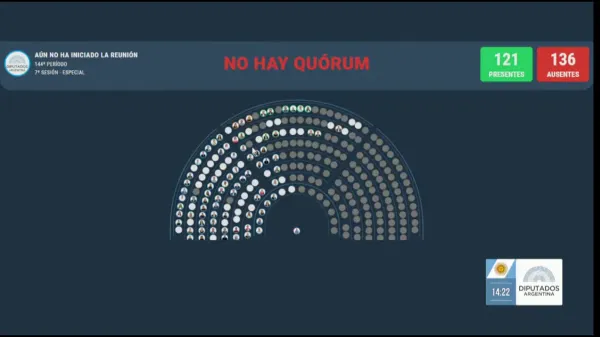
The government of Pedro Sánchez subsequently introduced two emergency housing decrees. The proposed measures included protective mechanisms against certain evictions targeting vulnerable individuals and market interventions to rein in housing prices. However, both legislative initiatives were rejected by the Congress of Deputies.
The standoff unfolded amid mounting political turmoil. Following parliament's rejection of the housing package, Sánchez called snap general elections for November 29.
A Deal Reached Too Late
Amid escalating public outcry, the property company finally reached an agreement allowing Maricarmen to return to her home with rent capped at no more than 30% of her net income. Yet, the breakthrough came while she was already hospitalized in frail condition.
The Madrid Tenants' Union (Sindicato de Inquilinas de Madrid) confirmed her death and praised her pivotal role in the housing movement, lamenting that the deal meant to bring her home arrived far too late.
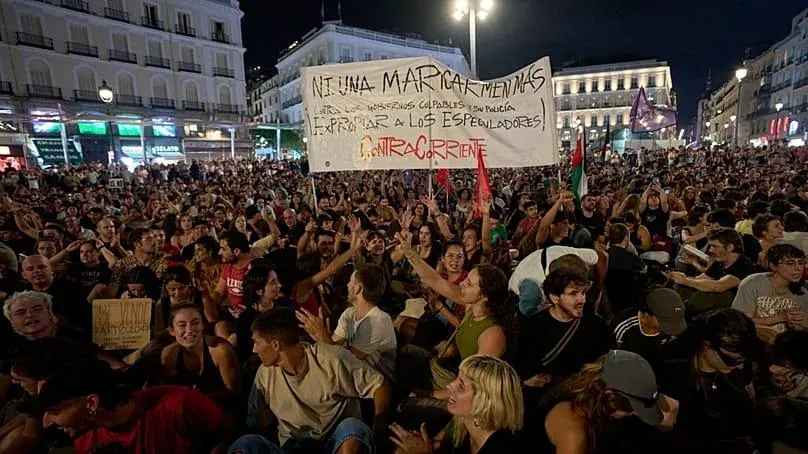
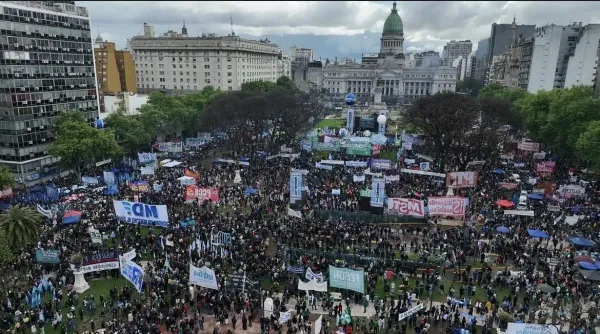
Maricarmen's death sparked fresh rallies across Madrid, with demonstrators gathering outside Congress and at Puerta del Sol to pay tribute to her memory and renew demands for sweeping housing reform.
https://www.instagram.com/reel/DdzgdtsMUP7/?utm_source=ig_web_copy_link&stkn=NTc4MTIwNjQ2YQ==
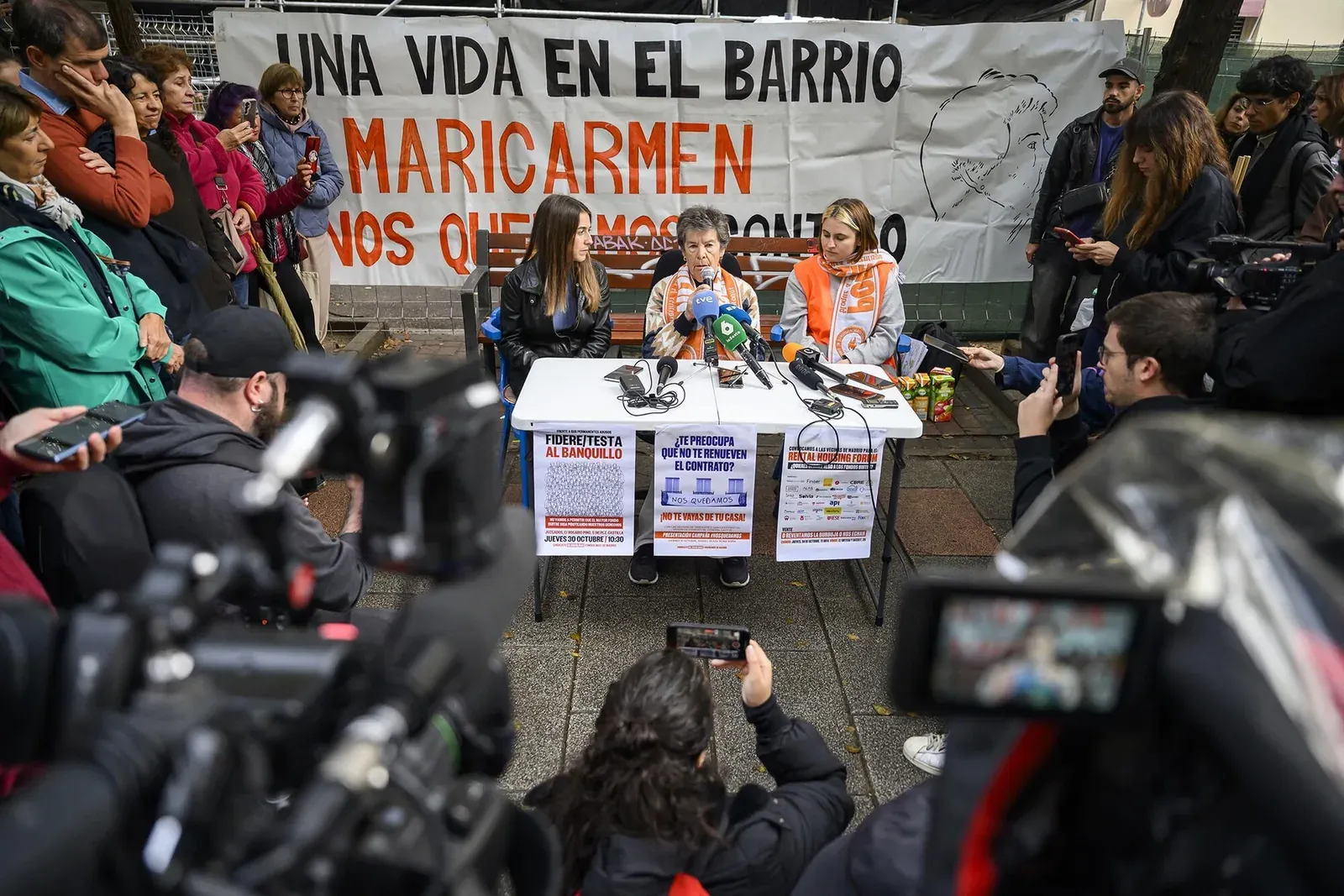
What began as one elderly woman's fight to keep the home she had inhabited for most of her life ended up giving a human face to a widespread national grievance: the fundamental right to housing and the protection of society's most vulnerable against evictions.