By JUAN VILLARREAL MUSSETTO
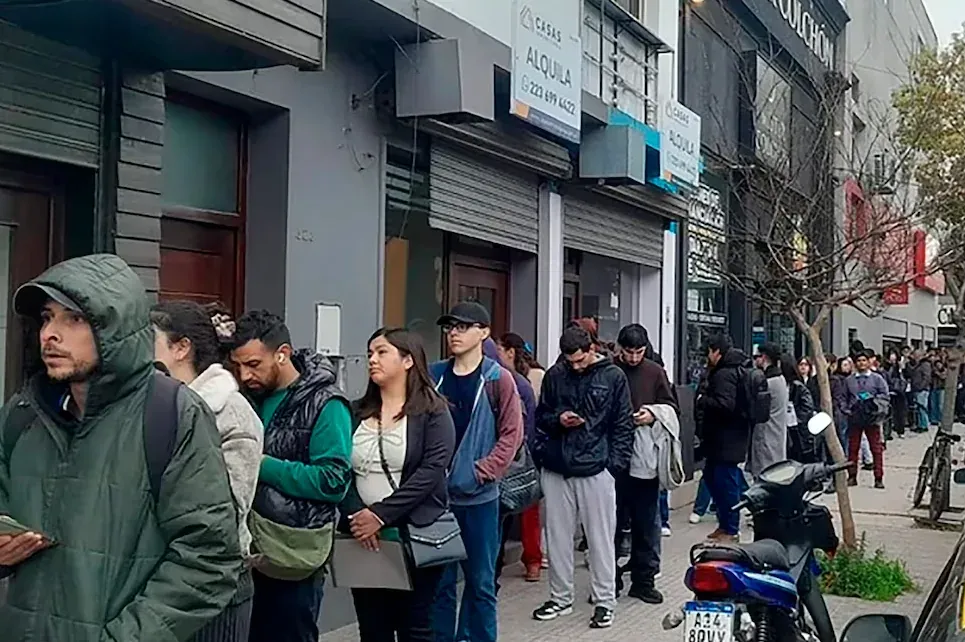
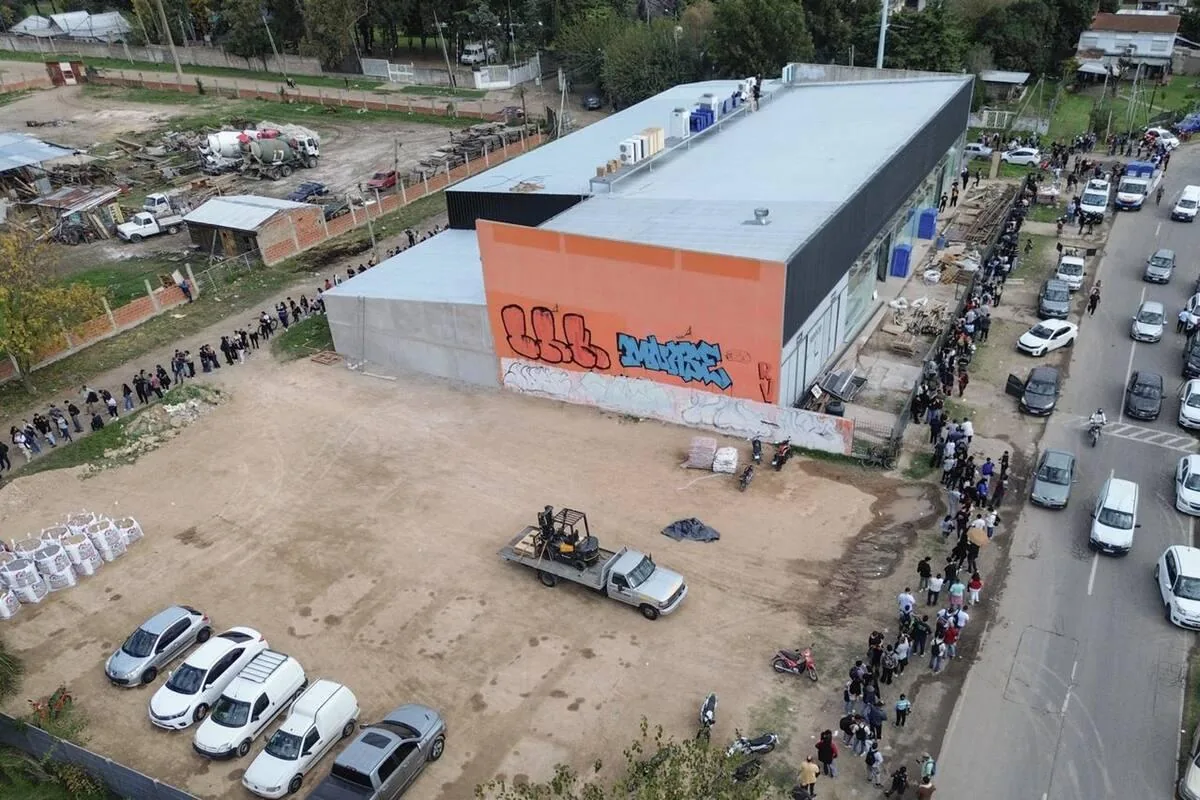
The search for work has once again produced an image that exposes the pressure facing the Argentine labor market. This Wednesday, hundreds of people gathered in Mar del Plata to try to secure one of the 70 available positions at the new Arena Mar del Plata, located in the Luro and San Juan avenues area.
The call officially began in the morning, but the first applicants arrived during the previous night. Some people spent several hours on the street, while others arrived in the early hours of the morning to ensure a spot.
As the hours passed, the line extended for more than eight blocks, forcing organizers to implement a numbering system to manage the flow. The number of people who showed up even exceeded the number of slots available for interviews.
The offered positions were linked to various tasks necessary for the venue's operation, including customer service, administration, waitstaff, cleaning, cashiers, production, technical support, and ushers.
The call brought together people with different profiles and situations. There were young people seeking their first opportunity, workers who have been trying to find a job for months, and also people who already have a job but are looking for better conditions or additional income.
A city with nearly 10% unemployment
The long line occurred just days after INDEC released its latest data on the labor market. During the second quarter of 2026, the unemployment rate in the Mar del Plata-Batán cluster reached 9.9%, according to the Permanent Household Survey (EPH). This figure represents approximately 34,000 unemployed people and was two percentage points higher than the national average, which stood at 7.9%.
The data also shows a sharp year-on-year increase. In the second quarter of 2025, unemployment in Mar del Plata had been 6.3%, meaning it rose by 3.6 percentage points in one year. In the first quarter of 2026, it had been 9.3%.
Mar del Plata also ranked among the urban clusters with the highest unemployment levels in the country. In the same period, Greater Rosario recorded 11.5% and Greater Córdoba 10.5%.
However, labor difficulties are not limited to those without jobs. INDEC data shows that around 61,000 people who already had a job were actively looking for another one, a situation that may be linked to the need to increase income, secure more working hours, or improve working conditions.
A scene repeated across the country
The scene in Mar del Plata is not an isolated incident. In recent months, other mass job calls have been recorded in different Argentine towns.
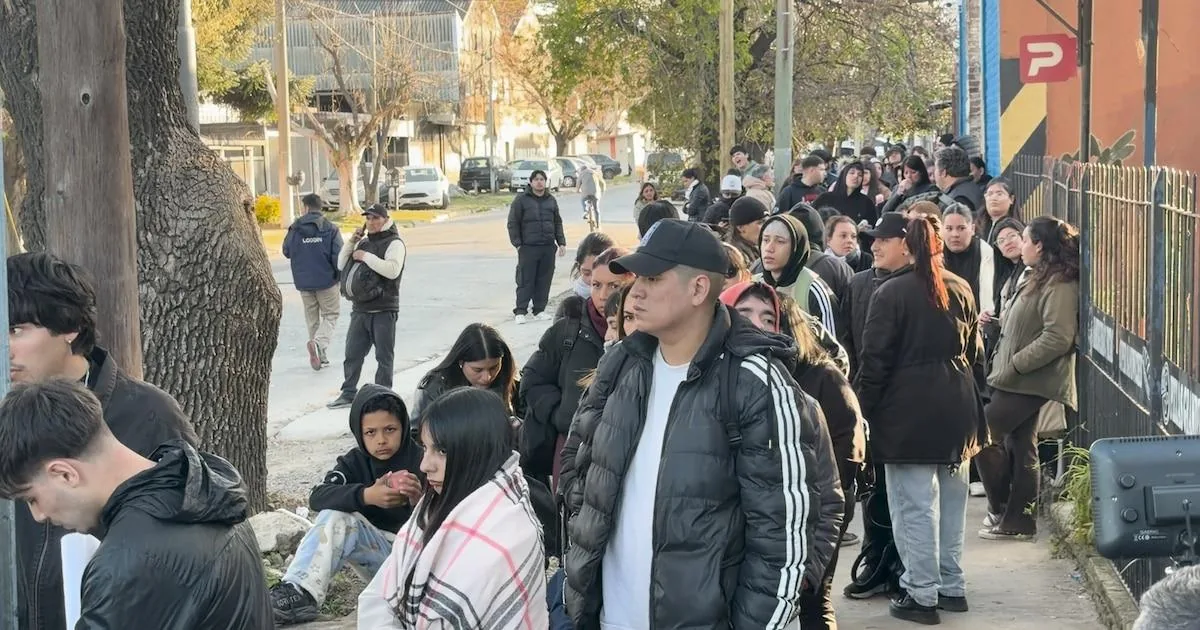
In Moreno, Buenos Aires province, a new branch of the Don Theo slaughterhouse was looking to fill 60 positions. The call received more than 4,000 résumés and generated a line of approximately ten blocks. The search included workers for administrative tasks, butchery, warehousing, driving, cleaning, maintenance, kitchen, and other roles.
In Berazategui, also in Buenos Aires province, more than 1,500 people showed up to try to access just 14 positions at a restaurant set to open soon. The line exceeded five blocks.
In Paraná, meanwhile, dozens of young people went to the Employment Office to apply for 70 job training programs starting in November, distributed among 12 companies and businesses. In this case, authorities did not release an exact number of applicants, so the call was described as a long line of young people and numerous interested parties.
These are different situations and not necessarily comparable: some correspond to direct private employment, while others are job training programs. However, they all share the same image: a large number of people trying to access a limited number of opportunities.
From Javier Milei's numbers to the street
Labor statistics help gauge the scale of the problem, but the lines offer a concrete image of what those numbers mean.
In Mar del Plata, 70 positions were enough to generate a line of more than eight blocks. Among those waiting were people who had arrived hours earlier, workers looking to change their situation, and unemployed individuals who had been sending résumés for months without getting a response.
The Mar del Plata scene adds to other images recorded during the year: thousands of résumés for dozens of positions in Moreno, more than 1,500 people for 14 vacancies in Berazategui, and long lines to access training programs in Paraná.

In all cases, behind the line lies the same expectation: to secure a job opportunity that allows access to income and improves living conditions.
The images also raise questions about the direction of Javier Milei's government's economic policies, which have maintained a program of austerity, public spending cuts, and economic deregulation since taking office. Critics argue that the deterioration of some labor indicators and the difficulty in generating sufficient employment highlight the social cost of this model, while the Government maintains that the reforms are necessary to order the economy and lay the foundations for sustainable growth.
While authorities defend the economic course and assure that recovery will come through increased private activity, thousands of people continue to compete for a limited number of jobs. The question these images leave is how long that recovery will take to translate into new job opportunities.